Reference
What to send when the part number has worn away
Corroded castings, painted-over plates and rubbed-off labels are ordinary. What identifies a part when its number is gone, and what to photograph.
Look again before giving up on the number
Numbers survive more often than they appear to. Cast numbers sit proud of the surface and are usually still there under paint, rust or oil film. A wire brush and a wipe of thinner will bring most of them back, and a raking light across the casting will show a number that is invisible under a torch held straight on.
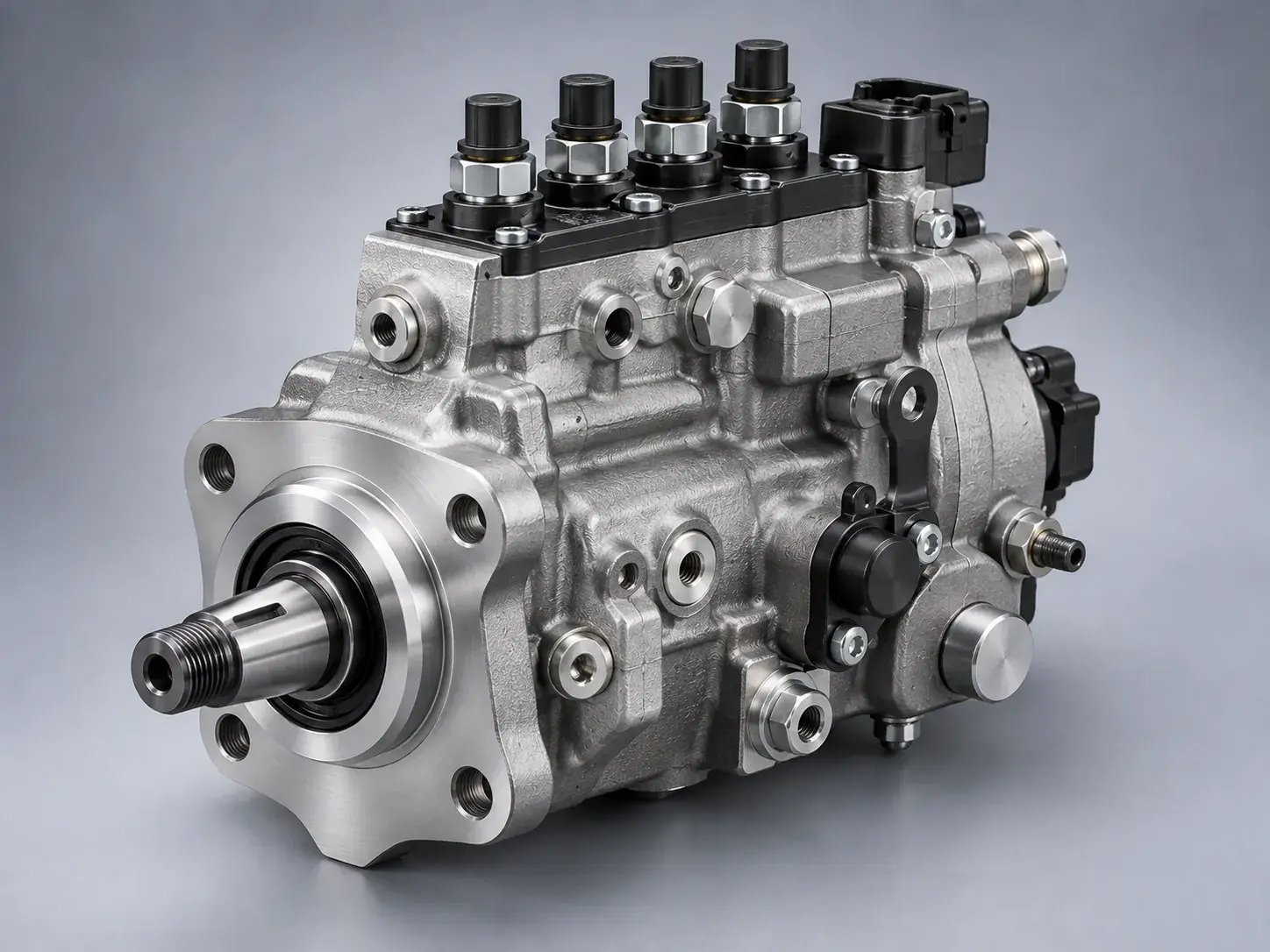
On pumps, coolers and housings, check more than one face. Cast numbers appear on the side, the underside and the mounting flange, and rarely wear evenly across all three. On electronic items check the back of the board and the inside of the case, not just the front label.
The engine's own numbers come next
If the part's number is genuinely gone, the engine identifies it. Send the model, the engine serial number and the CPL from the dataplate. Between them those narrow most parts to one or two options.
For a genset, send the set's nameplate as well: the rating in kVA, the set model and its serial number. The same engine appears in sets of different ratings, and the set rating sometimes decides the variant.
What to photograph
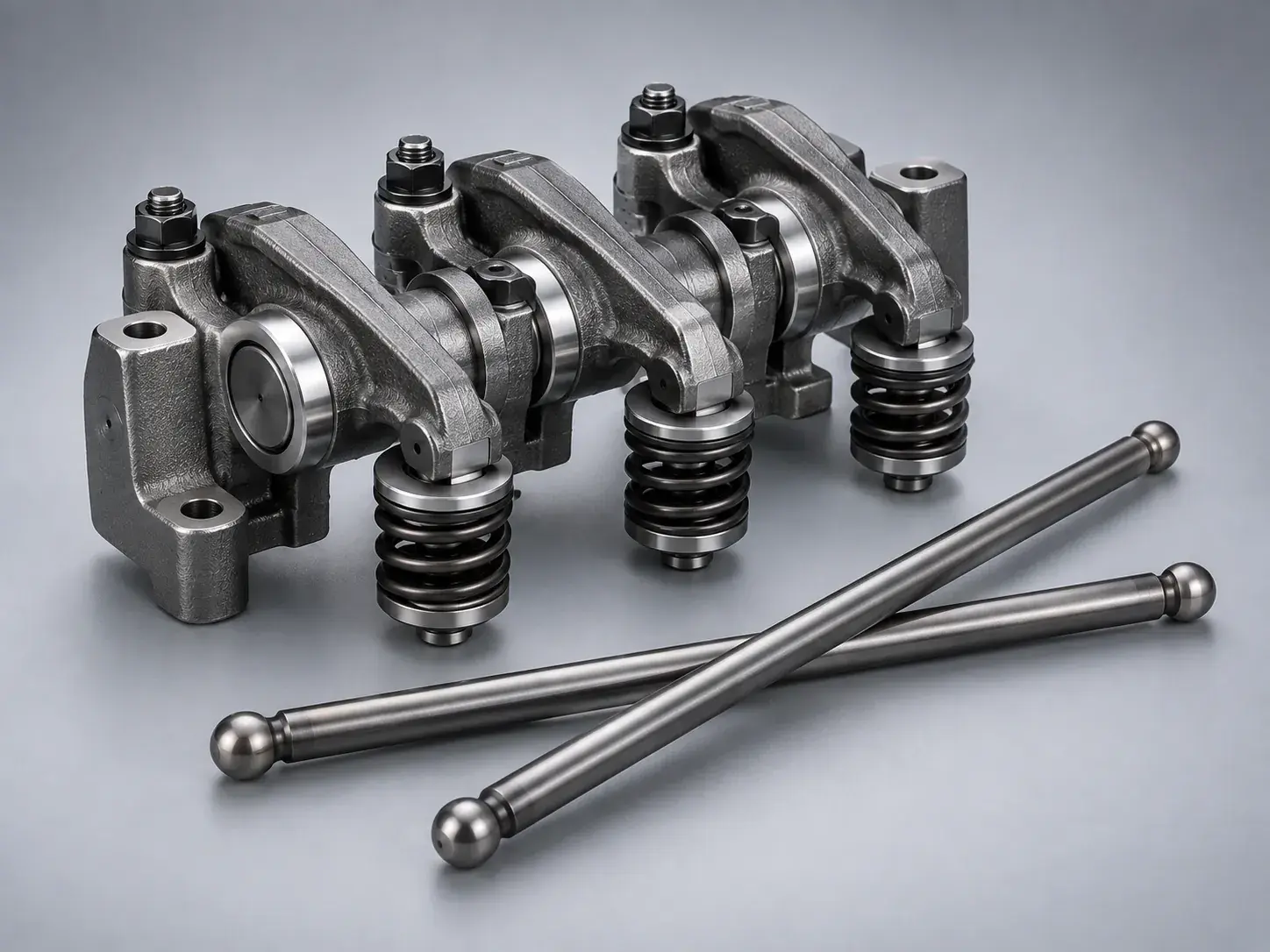
Photographs identify mechanical parts better than descriptions do. Take the part from the front and from the side, square on rather than at an angle, with a tape measure laid beside it.
Include the mounting face and the bolt pattern, because that is what separates variants that are otherwise identical. For a pump, the shaft end and the pulley. For a hose, both ends and the overall length. For a cooler, the port positions. For an electronic part, the connectors and the terminal markings.
Photograph the part fitted before removing it, if you can. Where a bracket sits, how a pipe runs, and which way round a unit faces are all things that answer questions later.
Superseded numbers
A number that reads perfectly can still fail to find anything, because it has been superseded. This is common on injectors and on control electronics, where a part may have been replaced two or three times over.
A number that returns nothing is not a dead end. Send it anyway. Tracing it forward through supersessions to what now fills the order is ordinary work, and it is faster than starting again from the engine.